Your skin tells a story. It shows where you’ve been and hints at where you’re going. When it comes to keeping your skin healthy and looking its best, two topics come up often in Orange County. First, there’s dermal fillers Tustin CA, which helps people restore volume and smooth out wrinkles. Second, there’s actinic keratosis treatment Orange CA, which addresses rough, scaly patches that can appear after years of sun exposure. Both treatments serve different purposes, but they share one goal: helping you feel confident in your skin.
Understanding What Dermal Fillers Actually Do
Dermal fillers work by adding volume beneath your skin’s surface. Think of them as a way to fill in areas that have lost fullness over time. As we age, our faces naturally lose fat and collagen. This creates hollow areas under the eyes, thinner lips, and deeper lines around the mouth. Fillers address these changes directly.
Most fillers use hyaluronic acid, a substance your body already makes. This means the treatment works with your natural biology rather than against it. The procedure takes about 30 minutes in most cases. A trained provider injects small amounts of filler into specific areas. You might feel some pressure or mild discomfort, but most people handle it well.
Results show up right away. You’ll notice fuller cheeks, smoother lines, or plumper lips depending on where you got the treatment. The effects typically last six months to two years. This depends on which filler you choose and how your body processes it. Some people come back for touch-ups every year. Others wait longer between treatments.
When Sun Damage Becomes a Medical Concern
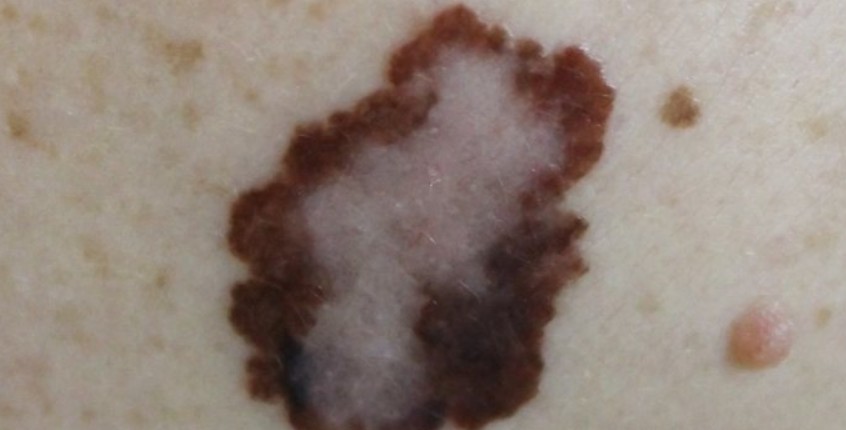
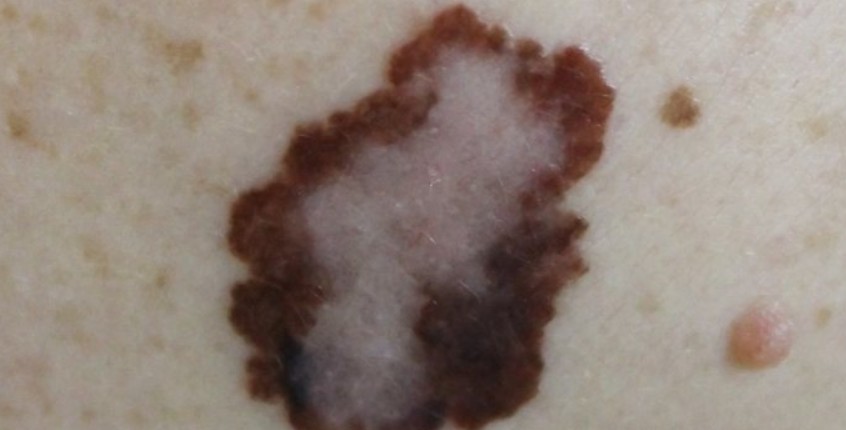
Actinic keratosis looks different from normal aging. These rough, scaly patches appear on skin that’s seen a lot of sun over the years. They feel like sandpaper when you touch them. The patches can be pink, red, or brown. Most show up on your face, scalp, ears, or hands.
Here’s why they matter. About 10 percent of actinic keratosis patches turn into skin cancer if left untreated. That’s not meant to scare you. It’s meant to inform you. Early treatment prevents this progression. Many people don’t realize these patches need medical attention until a dermatologist points them out during a routine check.
The good news is that treatment works well. Dermatologists have several options depending on how many patches you have and where they’re located. Some treatments freeze the patches off. Others use creams that target the damaged cells. Laser therapy offers another choice for certain cases. Your doctor will recommend what makes sense for your situation.
How Coastal Dermatology & Plastic Surgery Approaches These Treatments
Coastal Dermatology & Plastic Surgery serves the Orange County area with both cosmetic and medical dermatology services. The practice combines medical expertise with an understanding of aesthetic goals. Their team includes board-certified dermatologists and plastic surgeons who work together to provide complete care.
When you visit for dermal fillers, the process starts with a consultation. The provider asks about your concerns and examines your face. They explain which areas would benefit most from treatment. You’ll discuss which type of filler makes sense for your goals. The team at Coastal Dermatology & Plastic Surgery takes time to answer questions before any procedure begins.
For actinic keratosis, the approach focuses on thorough examination first. The dermatologist checks your entire body for suspicious spots. They use a bright light and sometimes a magnifying tool. If they find actinic keratosis, they’ll create a treatment plan. This might involve a single visit or multiple sessions depending on how widespread the condition is.
The Real Benefits of Dermal Filler Treatments
People choose fillers for many reasons. Some want to look refreshed without surgery. Others notice specific areas that bother them, like hollow under-eyes or thin lips. Fillers offer a middle ground between doing nothing and having a surgical procedure.
One major benefit is the quick recovery time. Most people return to work the same day. You might have some swelling or bruising, but makeup usually covers it. The treatment doesn’t require general anesthesia or incisions. This appeals to people who want results without major downtime.
Another advantage is control. You can start with a small amount and add more later if you want. This lets you ease into changes rather than making a dramatic shift all at once. Many patients appreciate this gradual approach. It feels more natural and less obvious to others.
Fillers also work well with other treatments. Some people combine them with Botox or laser treatments. This creates a complete approach to facial aging. The combination often produces better results than any single treatment alone.
What You Need to Know About Actinic Keratosis Treatment Options
Cryotherapy stands as the most common treatment. The doctor sprays liquid nitrogen on the patches. This freezes and destroys the damaged cells. The area might blister and peel over the next few weeks. New, healthy skin grows in its place. The treatment takes just a few minutes per spot.
Topical medications offer another route. These creams contain ingredients that target abnormal cells while leaving healthy skin alone. You apply the cream at home for several weeks. The treated areas become red and irritated as the medication works. This is normal and expected. Once you finish the treatment course, the inflammation settles down.
Photodynamic therapy combines a light-sensitive solution with special light. The doctor applies the solution to your skin and lets it soak in for a while. Then they shine a specific type of light on the area. This activates the solution and destroys the damaged cells. The treatment works well for people with many patches in one area.
Chemical peels can address widespread actinic keratosis on the face. The doctor applies a chemical solution that removes the top layers of skin. As your skin heals, new skin replaces the damaged areas. This treatment requires more recovery time than the others but can treat large areas at once.
Potential Downsides and Limitations to Consider
Dermal fillers aren’t perfect for everyone. Some people experience swelling that lasts longer than expected. Others don’t like how the filler feels under their skin at first. The cost adds up if you want to maintain results long-term. Insurance doesn’t cover cosmetic treatments, so you pay out of pocket.
There’s also a learning curve in finding the right provider. Not all injectors have the same skill level. An inexperienced provider might use too much filler or place it incorrectly. This can create an unnatural appearance. That’s why choosing a qualified provider matters so much.
For actinic keratosis treatment, the main downside is discomfort during healing. Cryotherapy can hurt when the liquid nitrogen hits your skin. Topical treatments cause redness and peeling that’s hard to hide. You might need to take time off work during the most visible healing stages.
Some treatments require multiple sessions. This means more appointments and more recovery periods. The patches can also come back over time, especially if you continue getting sun exposure. Prevention becomes just as important as treatment.
Who Makes a Good Candidate for These Treatments
Good candidates for dermal fillers are adults who have realistic expectations. You should be in overall good health. People with certain medical conditions or allergies might need to avoid specific fillers. Pregnant or nursing women should wait until later.
The best filler candidates notice specific volume loss rather than general aging. If your main concern is sagging skin, surgery might work better than fillers. A consultation helps determine if fillers will address your particular issues.
For actinic keratosis treatment, anyone with rough, scaly patches should see a dermatologist. Fair-skinned people who’ve spent years in the sun have higher risk. But anyone can develop these patches regardless of skin tone. Regular skin checks catch problems early when treatment is easiest.
Prevention Strategies That Actually Work
Once you get dermal fillers, you want them to last. Staying hydrated helps. Drinking plenty of water keeps your skin plump. Avoiding excessive sun exposure protects your results. Using good skincare products supports overall skin health.
For actinic keratosis, prevention means sun protection. Wear sunscreen every day, even when it’s cloudy. The sun’s damaging rays come through clouds and car windows. Choose a broad-spectrum sunscreen with SPF 30 or higher. Reapply it every two hours when you’re outside.
Protective clothing makes a big difference too. Wear hats with wide brims to shade your face and neck. Long sleeves help when you’re doing outdoor activities. Seek shade during peak sun hours between 10 AM and 4 PM. These simple steps reduce your risk significantly.
Regular skin checks catch new problems early. Examine your skin monthly at home. Look for new spots or changes in existing ones. See your dermatologist yearly for a professional check. They can spot things you might miss.
Cost Considerations and What to Expect
Dermal filler costs vary based on several factors. The type of filler affects the price. So does the amount you need and the provider’s experience level. In Orange County, expect to pay anywhere from $600 to $1,500 per syringe. Most people need one to three syringes depending on their goals.
Remember that fillers are temporary. You’ll need touch-ups to maintain results. Factor this into your long-term budget. Some practices offer package deals or membership programs that reduce the per-treatment cost.
Actinic keratosis treatment costs depend on how extensive the condition is. Insurance often covers these treatments because they’re medical rather than cosmetic. Check with your insurance company about coverage. If you’re paying out of pocket, prices range from $200 to $1,000 depending on the treatment method.
Making the Right Decision for Your Skin
Choosing between cosmetic treatments and medical treatments depends on your needs. Dermal fillers address aesthetic concerns. They help you look more refreshed and youthful. Actinic keratosis treatment protects your health and prevents skin cancer.
Sometimes people need both types of care. You might get actinic keratosis treated while also considering fillers for volume loss. Coastal Dermatology & Plastic Surgery can address both concerns during your visits. This saves time and ensures coordinated care.
Start with a consultation. Be honest about your goals and concerns. Ask questions about what to expect. A good provider will listen carefully and create a plan that makes sense for you. They won’t push treatments you don’t need or want.
Think about your lifestyle too. Can you handle the recovery time? Do you have the budget for ongoing treatments? Are you willing to follow pre and post-treatment instructions? Your answers help determine the right timing and approach.
Final Thoughts on Skin Health and Aesthetics
Your skin deserves attention and care. Whether you’re dealing with sun damage or natural aging, treatments exist that can help. Dermal fillers restore lost volume and smooth wrinkles. Actinic keratosis treatment removes precancerous patches before they become serious problems.
Neither treatment is one-size-fits-all. What works for your friend might not work for you. That’s why seeing a qualified dermatologist or plastic surgeon matters. They assess your individual situation and recommend appropriate options.
Don’t put off addressing skin concerns. Early treatment often works better and costs less than waiting until problems worsen. Schedule that consultation you’ve been thinking about. Ask the questions you need answered. Take control of your skin health and appearance.
Remember that results take time with some treatments. Be patient with the process. Follow your provider’s instructions carefully. Protect your skin from further damage. With the right care and realistic expectations, you can achieve the healthy, confident look you want.